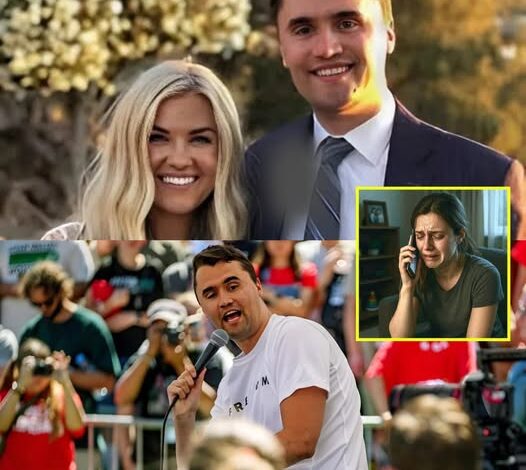
Tragic Shooting at Utah Valley University Rally Charlie Kirk was shot mid-speech during his “American Comeback Tour” at Utah Valley University, turning a hopeful event into a national tragedy. Moments before, he told his wife, “Truth wins in the end.” The gunshot, initially mistaken for a microphone issue, caused panic as Kirk collapsed. Security locked down the campus, and Kirk was rushed to a hospital in critical condition.
An older woman was detained after firing from a rooftop 200 yards away, though her motive remains unclear. The incident has sparked concerns about political safety. Leaders condemned the violence, and Kirk’s final words have gone viral, inspiring vigils and hashtags like #PrayForCharlie. This tragedy has left a lasting impact on America’s political landscape.