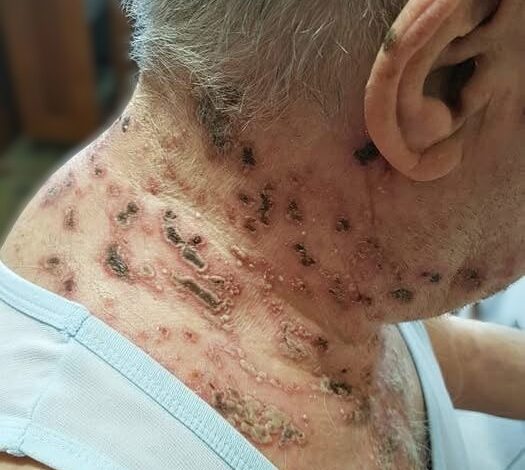
Shingles, also known as herpes zoster, is often mistaken for a simple skin rash, but it’s actually a painful nerve condition. It occurs when the virus that causes chickenpox reactivates—sometimes decades after the initial infection. After lying dormant in nerve tissue, the virus can resurface during periods of stress, illness, or weakened immunity.
Early warning signs are often subtle and easy to overlook. Tingling, burning, itching, or sharp pain usually appear on one side of the body before any rash is visible. This early phase is critical. Once the rash develops, there is a 72-hour “golden window” when antiviral medication works best, helping limit nerve damage and reduce complications.
Delaying treatment increases the risk of postherpetic neuralgia (PHN)—persistent nerve pain that can last months or even years after the rash heals. In severe cases, even light touch, clothing, or wind can cause intense pain. Older adults and people with weakened immune systems face the highest risk.
Doctors strongly advise seeking medical care at the first signs of shingles. Vaccination offers powerful protection and is recommended for most adults over 50. With shingles, acting quickly can make the difference between a short illness and long-term pain.