Stop Bleeding Money: The 5 Household “Vampires” Draining Your Bank Account While You Sleep

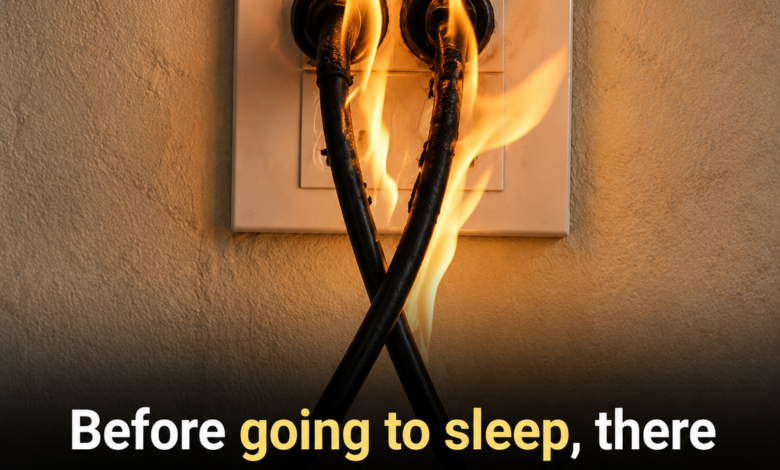
Even when they’re switched off, many household devices continue using electricity through what’s known as “phantom energy” or standby power. While one device may use only a small amount, dozens of always-plugged-in electronics can quietly increase your electricity bill over time.
One of the biggest offenders is your phone charger. Even without a phone attached, it still draws a small amount of power. Unplugging it after charging is a simple money-saving habit.
Coffee makers with digital clocks or programmable timers also consume electricity around the clock just to keep their displays active.
Toasters and toaster ovens with electronic controls continue using standby power and can also pose a safety risk if left plugged in unnecessarily.
Your TV, gaming console, and entertainment system often stay in “instant-on” mode, constantly waiting for remote commands. A smart power strip can automatically cut power when they’re not in use.
Finally, desktop computers and accessories like monitors, printers, and speakers may continue drawing electricity even after shutdown, while also remaining vulnerable to power surges.
Of course, refrigerators, freezers, medical equipment, and security systems should remain plugged in.
Making a habit of unplugging unused electronics—or using smart power strips—can reduce wasted energy, lower your electricity bill, protect valuable devices, and give you greater control over your home’s power consumption.