My fiancé’s daughter tried to ruin our wedding because “no one gets married at that age” — but she didn’t expect what happened next. I’m 68, and last summer I got married for the second time. I spent 37 years with my first husband. When he passed away, I truly believed love was over for me. I lived alone for five years. Then one morning, I met Robert by accident at a café when he spilled coffee on me. That brief moment turned into conversations, then meetings — and eventually, love. Less than a year later, he proposed, and for the first time since my husband’s death, I felt truly happy again. Robert became a widower early in life and raised his only daughter, Laura, on his own. From the very beginning of the wedding preparations, she made it clear that she was against our relationship. Her explanation? “YOU’RE ALREADY TOO OLD TO GET MARRIED. WHO EVEN GETS MARRIED AT THAT AGE?” “MAYBE YOU JUST WANT TO TAKE MY FATHER’S HOUSE?” Even though I have my own home and my own income, Robert always defended me. Still, Laura kept trying to poison our relationship. I tried to ignore it. I didn’t want to interfere in their relationship, and I didn’t want conflict. On the wedding day, just before the ceremony, I went to change — and froze. My dress was destroyed. It was torn, stained, and the zipper had been ripped out. Laura walked in, smiled, and said, “Oh, is the bride having problems? Maybe it’s a sign you should cancel the wedding?” I didn’t make a scene. I called my friend and asked her to urgently buy me any white dress. An hour later, I walked out to Robert in a completely different dress — and in that moment, it didn’t matter to me at all. But what I didn’t expect was Robert making Laura regret what she’d done. In front of all the guests, he stood up and said, “Please, everyone, listen. Laura, especially you. I HAVE SOMETHING TO SAY.” The room fell completely silent. I SAW SHOCK ON EVERY GUEST’S FACE. ⬇️

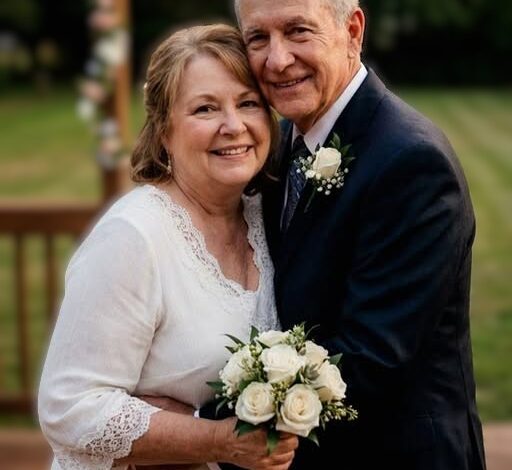
After five years of grief, I never expected to fall in love again. Paul was my husband for 37 years, and my home had become a museum of what I’d lost. Then one morning at a café, a stranger spilled coffee on me—and apologized so sincerely I couldn’t help laughing.
His name was Robert. He’d lost his wife years earlier and raised his daughter, Laura, alone. One coffee turned into lunch, then dinners, then a proposal. I said yes because I wanted to choose joy again.
Laura hated it from day one. She called me too old to marry and implied I was after her inheritance. I stayed calm—but I started noticing odd things in Robert’s finances: letters he didn’t remember, payments that didn’t make sense, and Laura casually saying, “Dad doesn’t need to worry about paperwork anymore.”
On our wedding day, I caught Laura leaving the dressing room. Inside, my gown was destroyed—zipper ripped, lace torn, brown stains smeared across the skirt. I took photos, called a friend, and wore a simple ivory dress instead.
After the ceremony, I showed Robert the pictures. At the reception, he confronted Laura publicly. Cornered, she exploded and admitted she’d been signing and managing his accounts “for his own good.”
That night, we checked. The truth was there—withdrawals, missed payments, messy transfers.
I didn’t marry Robert because I needed saving.
I married him because I was strong enough to choose again—and strong enough to protect what we built.