If you notice your legs are swollen, that’s a sign of ca…

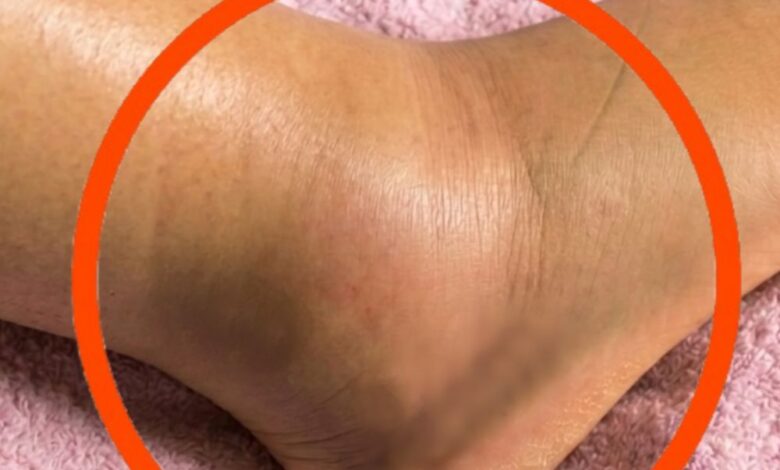
Swollen legs are a common issue among older adults, often causing discomfort and limiting mobility. While occasional mild swelling is normal, frequent or severe swelling may signal underlying health concerns.
One major cause is poor circulation. As people age, blood vessels lose elasticity, making it harder for blood to return to the heart. This leads to fluid buildup in the lower legs, especially after long periods of sitting or standing.
Another common factor is edema, or fluid retention. This can be linked to conditions such as heart, kidney, or liver problems, where the body struggles to maintain proper fluid balance. Medications can also play a role, as some treatments for blood pressure or inflammation may cause swelling as a side effect.
A lack of physical activity can worsen the problem. Movement helps leg muscles push blood back toward the heart, so long periods of inactivity can increase fluid buildup.
In some cases, swelling may indicate a serious condition like Deep Vein Thrombosis, which requires immediate medical attention. Warning signs include swelling in one leg, pain, redness, or warmth.
Simple steps like elevating the legs, staying active, reducing salt intake, and wearing compression stockings can help manage symptoms.
Overall, while mild swelling can often be managed at home, persistent or severe cases should always be evaluated by a healthcare professional.