The Little Scalp Invader! What Parents Should Do When a Strange Bug Appears in Their Childs Hair!

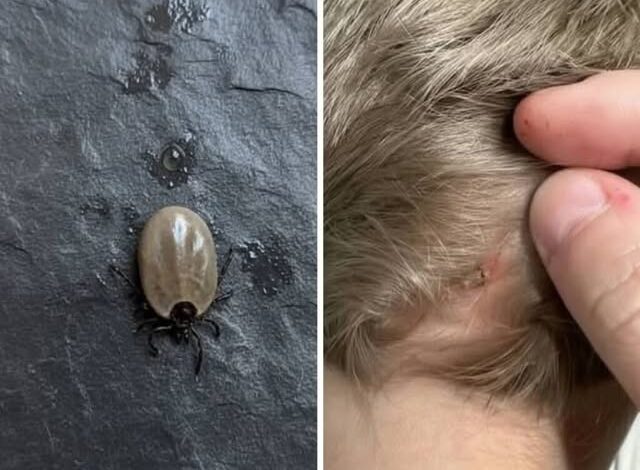
Discovering an unfamiliar insect in your child’s hair can instantly trigger panic. It often happens during everyday moments—brushing hair after a bath or getting ready for school—when a tiny speck suddenly moves. Before assuming the worst, the most important step is to stay calm and observe carefully.
Most insects found in hair fall into three common categories:
Head Lice:
These small, wingless insects—about the size of a sesame seed—are common among school-aged children. They crawl between hair strands and lay tiny eggs called nits, which stick firmly to the hair shaft, especially behind the ears and near the neck.
Ticks:
Unlike lice, ticks attach themselves to the skin to feed. If the insect appears embedded and doesn’t move easily, it may be a tick. Removing it properly with fine tweezers is important to reduce infection risk.
Accidental Visitors:
Sometimes the insect is simply a stray ant, beetle, or other harmless bug picked up during outdoor play. If there are no eggs or scalp irritation, it’s usually nothing to worry about.
Interestingly, itching isn’t always the first sign of lice. The itch is caused by an allergic reaction to lice saliva, which can take weeks to develop. That’s why occasional scalp checks can help catch issues early.
If you do find an insect:
-
Remove it carefully with tweezers or tissue.
-
Save it in a sealed bag if identification is needed.
-
For ticks, pull gently upward with steady pressure and clean the area afterward.
Today, many experts recommend wet combing for lice removal. Conditioner is applied to damp hair to slow the lice, and a fine metal comb is used to remove them and their eggs. Repeating the process every few days helps break the lice life cycle.
Finding a bug in your child’s hair may feel alarming, but it’s a common part of childhood. With calm observation and the right steps, it’s usually a manageable problem—and a reminder that parenting often comes with small, unexpected challenges.