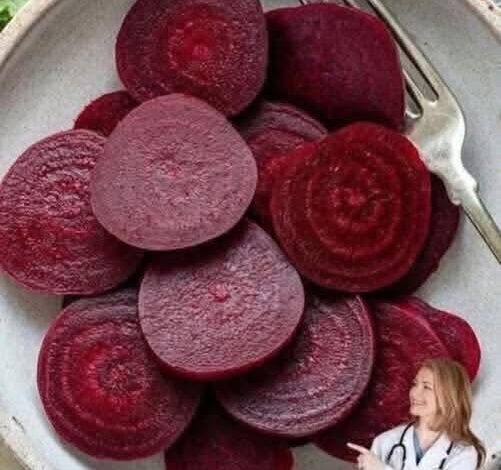
Beetroot, once overlooked as an unpopular vegetable, is now gaining attention as one of the most researched functional foods because of its impressive health benefits. Rich in nutrients like folate, manganese, and powerful antioxidants called betalains, beets support the body in multiple ways. These compounds help fight oxidative stress and inflammation, which are linked to chronic disease.
What truly makes beetroot stand out is its high nitrate content. When consumed, nitrates are converted into nitric oxide, which helps relax and widen blood vessels, improving circulation and lowering blood pressure. Better blood flow benefits not only heart health but also helps deliver oxygen throughout the body more efficiently.
Because of this effect, athletes often use beetroot supplements to boost endurance, stamina, and recovery. Improved oxygen delivery allows muscles to perform longer and more efficiently, making beetroot popular in the fitness world.
Beets may also support digestion and liver function thanks to their fiber and betaine content, while their circulation benefits can enhance blood flow to the brain, potentially improving focus and supporting long-term cognitive health.
However, moderation is important. People prone to kidney stones should be cautious due to beetroot’s oxalate levels, and some may notice harmless pink urine after eating them. Adding small amounts regularly—whether roasted, raw, or blended—can be a simple way to improve overall wellness.