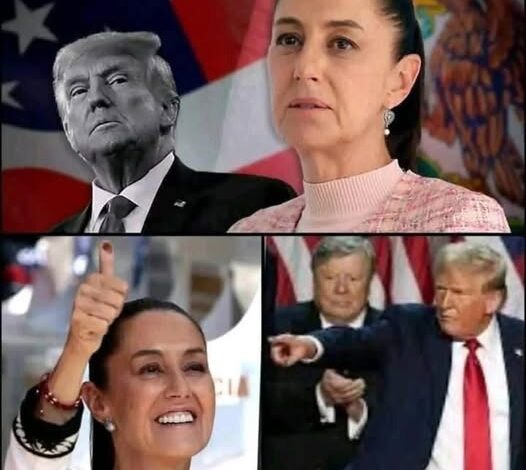
Donald Trump’s declaration of a “very successful attack” on Iranian nuclear facilities shattered any illusion of stability. In Tehran, Foreign Minister Abbas Araghchi condemned the strike as “outrageous” and “criminal,” warning that Iran would respond under its right to self-defense. The language was measured but ominous—“all options” signaling potential escalation far beyond the region.
In Jerusalem and Washington, D.C., some framed the move as a decisive blow against a long-standing nuclear threat. Supporters called it a moment of strength, arguing it could delay or disrupt dangerous ambitions. But elsewhere, the reaction was far more cautious.
Across European capitals, diplomats spoke in subdued tones about rising instability. There were fears that years of fragile agreements could unravel overnight, pushing the world closer to a broader conflict. At the United Nations, every statement was carefully calibrated, reflecting the gravity of a situation where missteps carry global consequences.
What makes moments like this so tense is not only the action itself, but the uncertainty that follows. Retaliation, restraint, or escalation—each path carries its own risks.
For now, the world watches, aware that the next move may define not just a region, but the balance of international security.